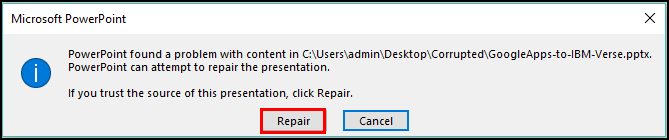
With a coffee at your side, you’re ready to get back to work on your latest PowerPoint presentation. Upon opening your file, however, you’re stopped in your tracks by an unfamiliar pop up box. “PowerPoint found a problem with content …” The sinking realisation that your work may be lost into the depths of the corrupt PowerPoint cyberspace overcomes you. Will you ever see your work again? Fear not! Here are some helpful tips that will rescue and repair corrupt PowerPoint files and get you and your slides back on track.
Insert slides into a new presentation
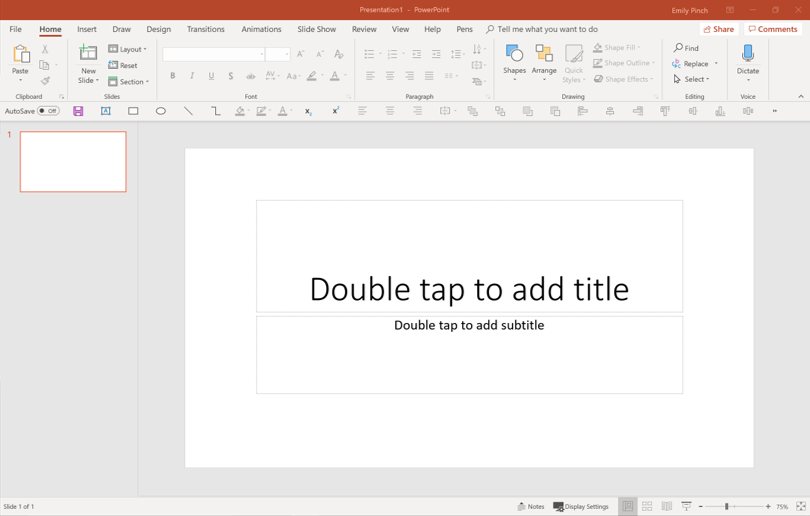
First, click Repair and close the corrupt PowerPoint presentation. Then reopen PowerPoint, create a new, blank presentation and save it.
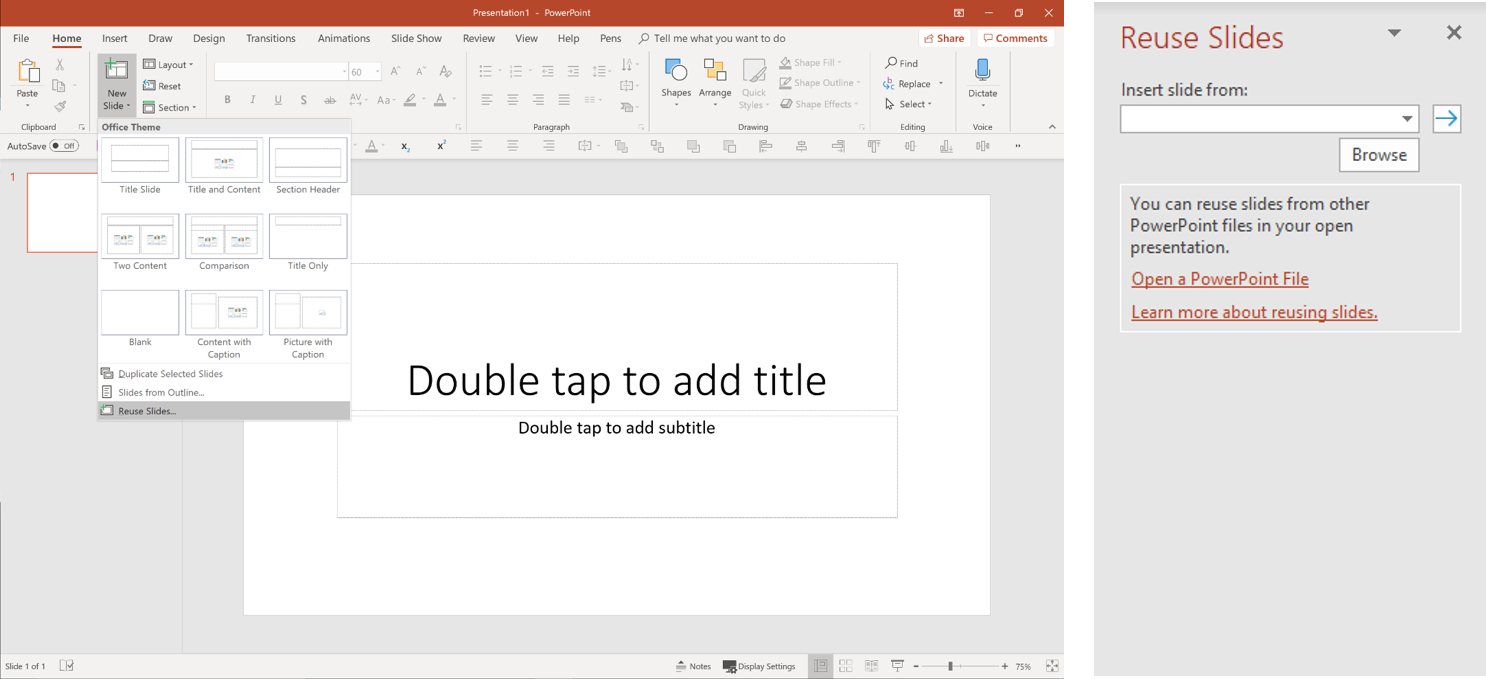
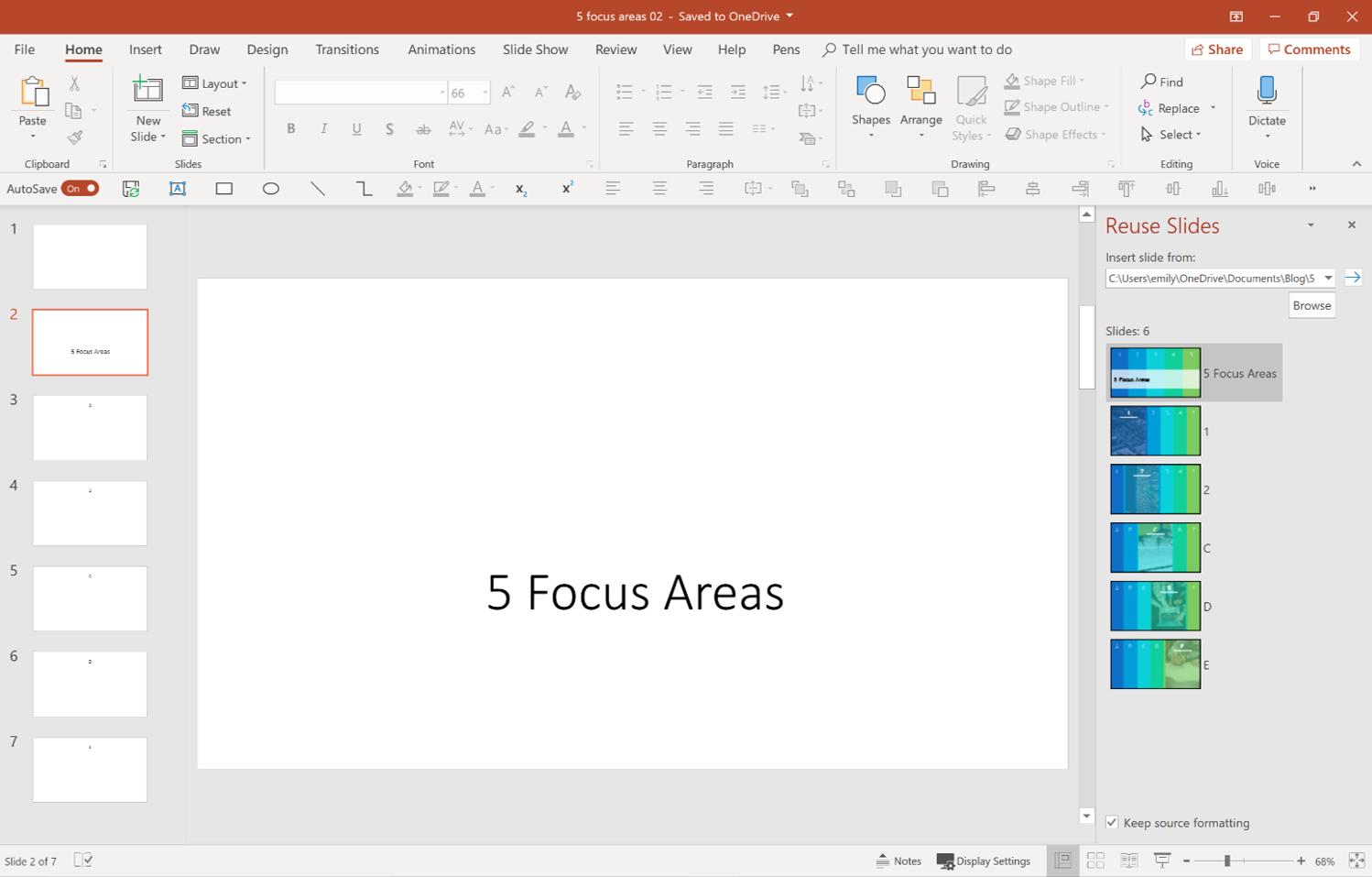
In your blank presentation, click the Home tab and select the drop-down arrow next to New slide and select Reuse slides. A sidebar will appear on the right.
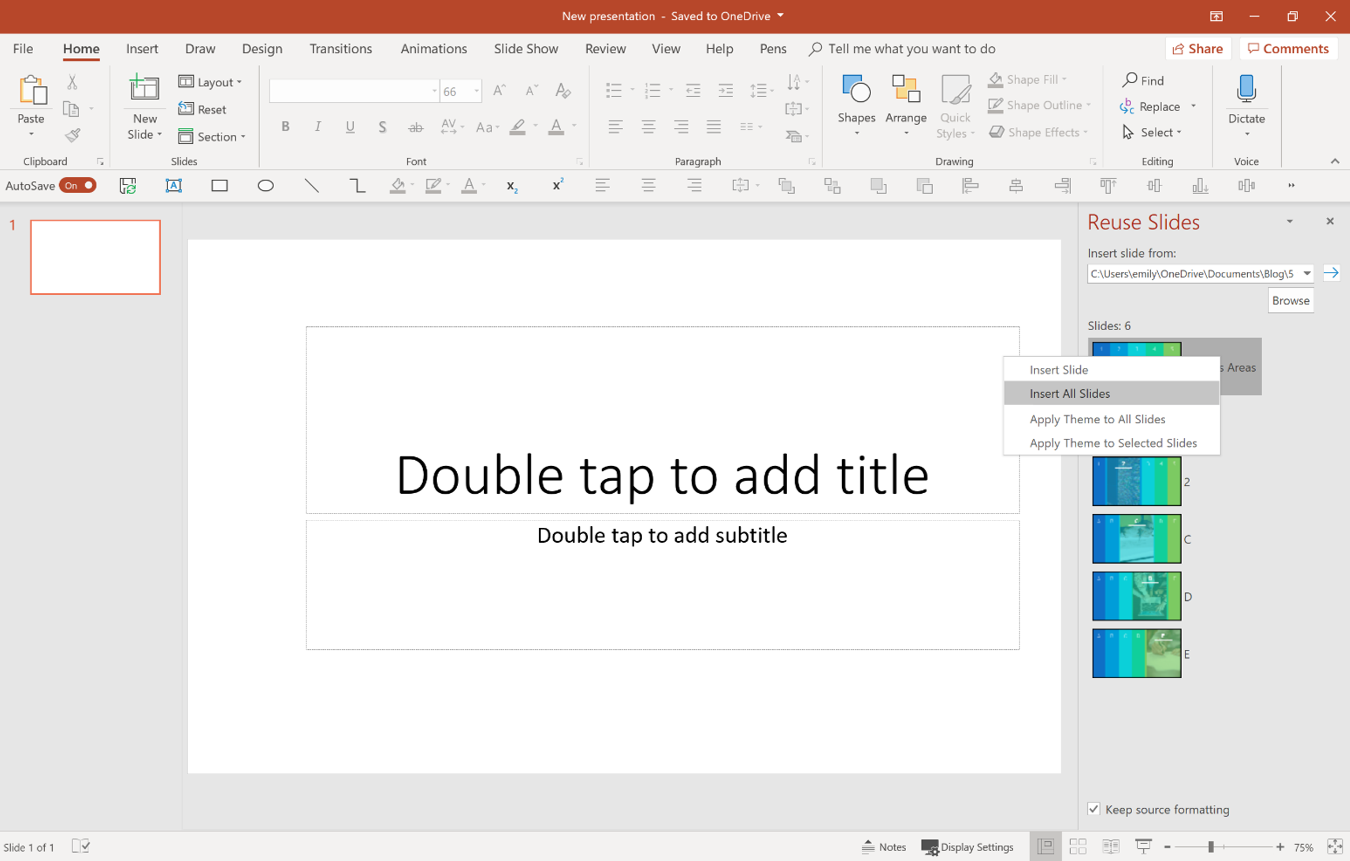
Click the Browse button, locate the damaged PowerPoint file and click Open. Check the Keep formatting box at the bottom of the reuse slides pane, then right click on any slide in the preview and select Insert all.
All the slides from the original, corrupt PowerPoint file should now be inserted into the blank presentation. This process creates a blank title slide, which can be deleted later.
Apply corrupt PowerPoint presentation as a template
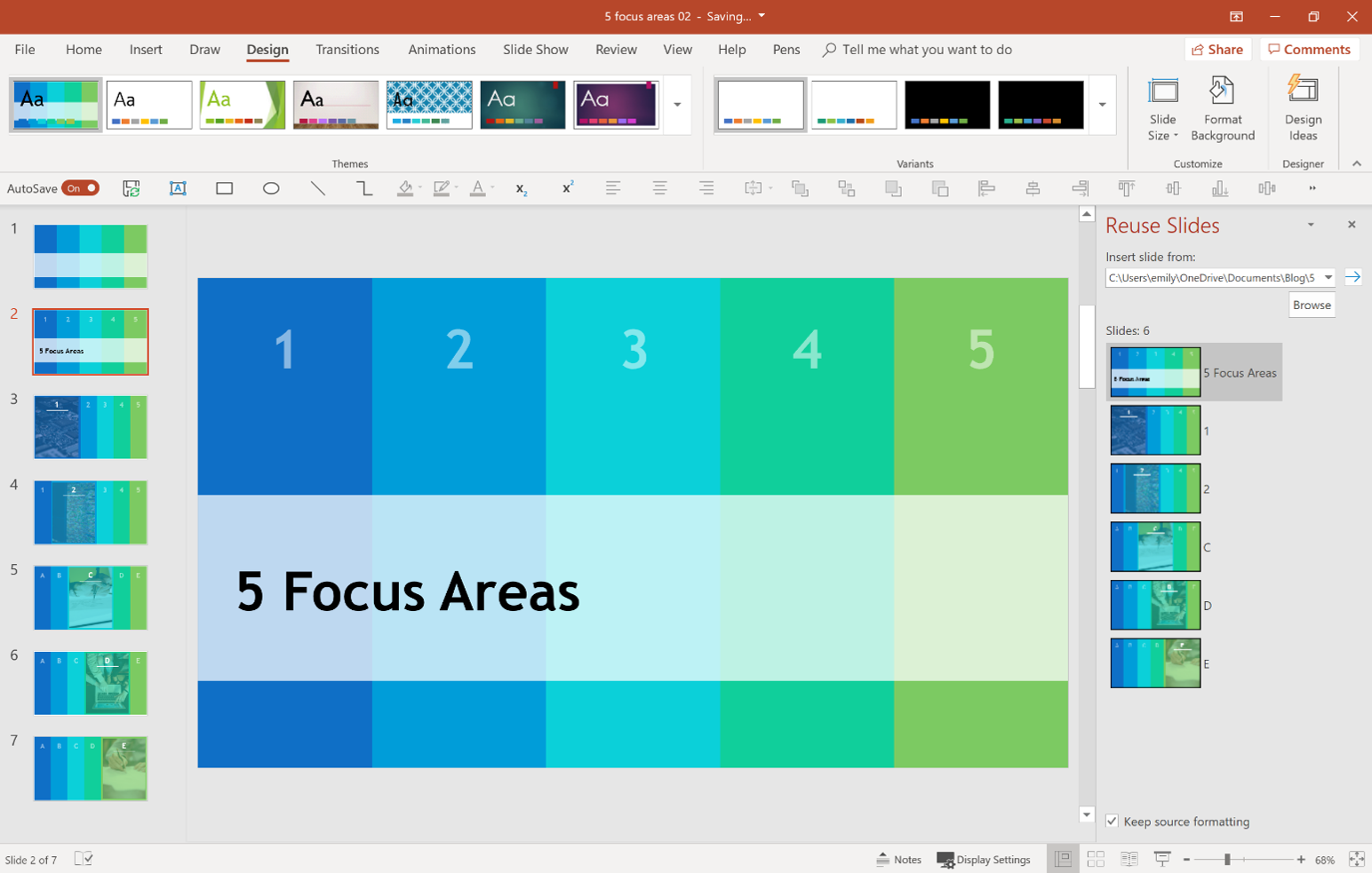
Okay, so you’ve repaired the corrupt file, but your beautifully designed template is all messed up! You may find your presentation doesn’t look quite right: this is because the original slide master has not been inserted into the new file. To re-apply the damaged presentation template, follow these steps:
To begin, on the File menu, click Save as. Type a new name for the presentation, and then click Save. This will create a backup copy of the restored presentation that you can use if the original template damages this new presentation.
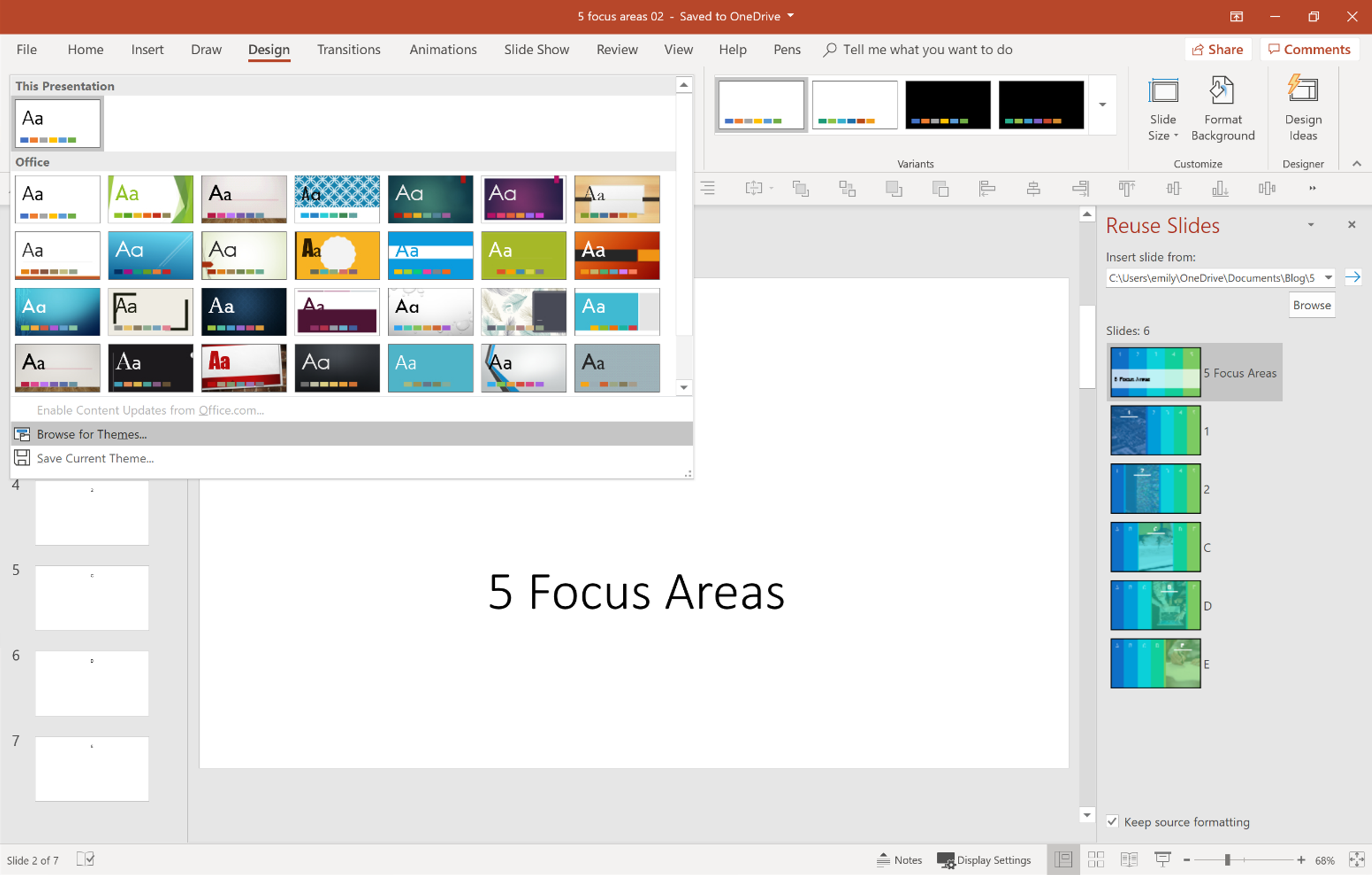
Open the Design tab and click the drop-down arrow under Themes. Click Browse for Themes.
Locate the original corrupt presentation, and then click Apply. The slide master from the damaged presentation will restore the original theme and your presentation formatting should be back to normal.
You can now go back and delete the first title slide.
If you start to experience unexpected behaviour after following these steps, the template may be the cause of damage to your presentation. In this case, use the backup copy you made earlier and re-create the master slide.
Bookmark this post and next time you see those dreaded words “PowerPoint found a problem with content…” you won’t feel quite so powerless! Tried these tips and still having problems? This blog article has a few more ideas, or comment below and we’ll do our best to help you out!
This is your local PowerPoint Copilot newsagent. A place to drop by for the latest headlines, useful updates and interesting things we’ve spotted along the way. We’ll gather what we’ve learned from updates, sift through the noise and bring the useful bits together for you. Roll up, roll up! Get your Copilot news here. No need to scour every corner of the internet. We’ll help you keep up without AI keeping you up.
So you're trying to set up your Organisation Asset Library (OAL) in SharePoint, to streamline brand content delivery to your users. What happens when you need to restrict access to some teams or grant access to others? And suddenly, what sounded like a nice, productive afternoon turns into a nightmare, as you try to figure out permissions and access across a range of Microsoft services. Grab a cup of calming tea and let us help you figure out the best way to manage access to your brand assets.
How many slide masters do you have in your PowerPoint template? How many should you have? And is it one of those things I should even care about? Learn the answers to all those questions in more.
Wow! That worked like a charm. I had a ppt from 2013 on an old external drive that I wanted to update. The title slide was still visible, but the remaining 35 slides where GONE. I Followed the first 2 or 3 steps and I was back in biz…. THANK YOU
If you’re using Outlook 2010, Outlook 2013 or Outlook not opening on Windows 10 (https://sites.google.com/) 2016, uninstall and re-install iCloud to resolve this issue.
Thank you so much for conducting our advanced PowerPoint training workshop. We will definitely use BrightCarbon in the future – we really think that we would be hard pressed to find anywhere better!
Emma PringIona Capital
●
A quick word about cookies
We and our partners use optional marketing cookies to understand how people use our site, measure campaign performance, and show more relevant content. They’re only switched on if you choose to accept them, and you can change your preferences at any time.





I’m in tears right now… I’ve tried all means but none worked until I saw your post. 5stars for you…. Thank you so much.
I followed your advice and when I got to the place where you reuse and browse, the file that was corrupt could not be opened by PPT….
mine didn’t work so im really sad
Powerpoint could not open the file …
The PPT couldn’t open the corrupted file indeed after PC suddenly shutdown when I was working on the ppt slides. Repair couldn’t continue.
Wow! That worked like a charm. I had a ppt from 2013 on an old external drive that I wanted to update. The title slide was still visible, but the remaining 35 slides where GONE. I Followed the first 2 or 3 steps and I was back in biz…. THANK YOU
Cannot open the file and the “repair” function doesn’t fix the problem.
If you’re using Outlook 2010, Outlook 2013 or
Outlook not opening on Windows 10 (https://sites.google.com/) 2016, uninstall
and re-install iCloud to resolve this issue.